
Addiction Studies

Be a catalyst for change
Detroit Mercy's coursework in Addiction Studies is among the nation's first and has been a forerunner in informing the national debate on education and training for substance use professionals.
What's New?
Complete the educational requirements for state substance use certification at Detroit Mercy. The curriculum is designed for individuals with a Bachelor's or Master's degree who wish to specialize in addiction, and can be individually tailored to meet the educational needs required for certification. In addition, the curriculum is designed to be completed in approximately one year.
For more information, contact Dr. Varinder Kaur, at kaurvm@udmercy.edu

Job Outlook
Job market for addiction specialists expected to grow 22% through 2031, according to the U.S. Bureau of Labor Statistics.

A Strong History
Detroit Mercy has been preparing addiction professionals for more than 50 years.

Career Outcomes
Our graduates are highly sought in the job market, with more than 80% employed in the substance use field within three months of graduation.
Substance Use Education
-
Post-Bachelor's Degree Substance Use Education
If you have already attained a bachelor’s degree in a major (e.g., Criminal Justice, Psychology or Social Work) related to or adjacent to substance use, Detroit Mercy's Addiction Studies curriculum can support your goal of an entry-level positions in alcohol and drug treatment organizations. Coursework meets the minimum educational requirements to initiate a development plan for the Certified Alcohol and Drug Counselor (CADC) credential granted by the Michigan Certification Board for Addiction Professionals (MCBAP).
-
Post-Master's Degree Substance Use Education
If you already possess your master's degree in a related discipline but want to further specialize in the field of addiction, Detroit Mercy's Addiction Studies curriculum can help you achieve your goal.
Typically, individuals with a master’s degree in Clinical Psychology, Counseling, Social Work or Nursing pursue the certificate; however, individuals with a master’s degree in other major disciplines (e.g., Dentistry, Criminal Justice or Health Administration) may also be interested.Substance Use Certification
Post-graduate education in Addiction Studies fulfills the academic and internship requirements for the Certified Advanced Alcohol and Drug (CAADC) credential authorized by the State of Michigan. The CAADC is compulsory for professionals who specialize in the clinical treatment of substance use.
Administrative Support
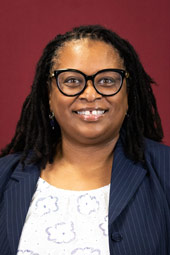
Valerie
Williams
Administrative Assistant
313-578-0392
williavw@udmercy.edu
Faculty
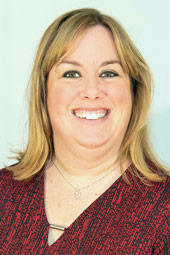
Kelli
Anderson
Assistant Professor
Director of Clinical Mental Health Counseling Program
313-993-1227
anderskb@udmercy.edu

Krystal
Armstrong
Senior Adjunct Instructor
313-578-0392
armstrkr@udmercy.edu

Regina
Bell
Counseling Clinic Manager
313-993-1626
leerc@udmercy.edu
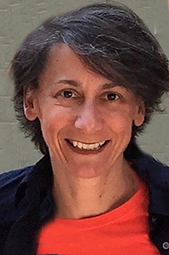
Nancy G.
Calleja
Professor
*
Department Chair, Department of Counseling & Addiction Studies; Department of Social Work
Director of Addiction Counseling
313-578-0436
calleyng@udmercy.edu
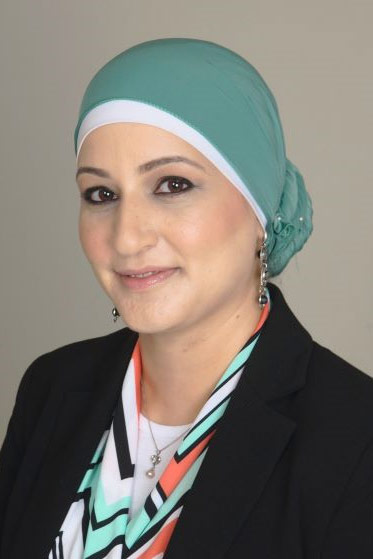
Tahani
Dari
Associate Professor
Director of School Counseling
313-993-1165
darith@udmercy.edu

Varinder
Kaur
Assistant Professor
Director of Addiction Studies Program
313-578-0392
kaurva@udmercy.edu
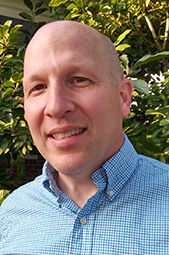
Daniel
Lawrence
Assistant Professor
313-993-1438
lawrendh@udmercy.edu

Mallory
Tanis
Instructor, Counseling Program
tanismj@udmercy.edu